Read the description in layers
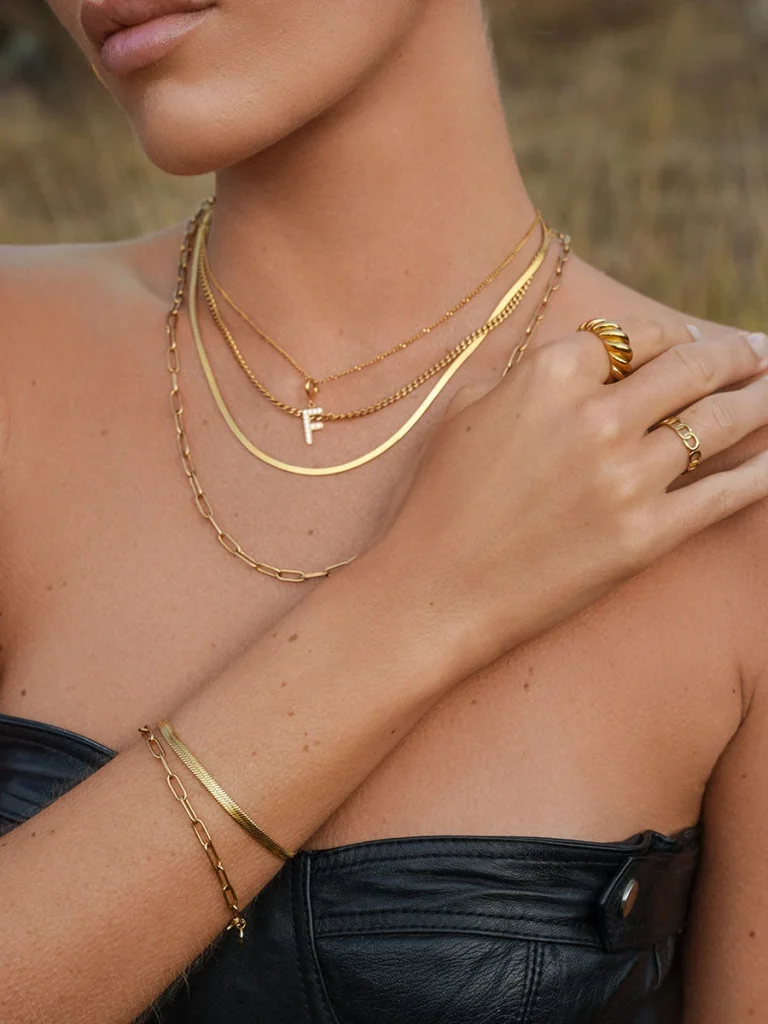
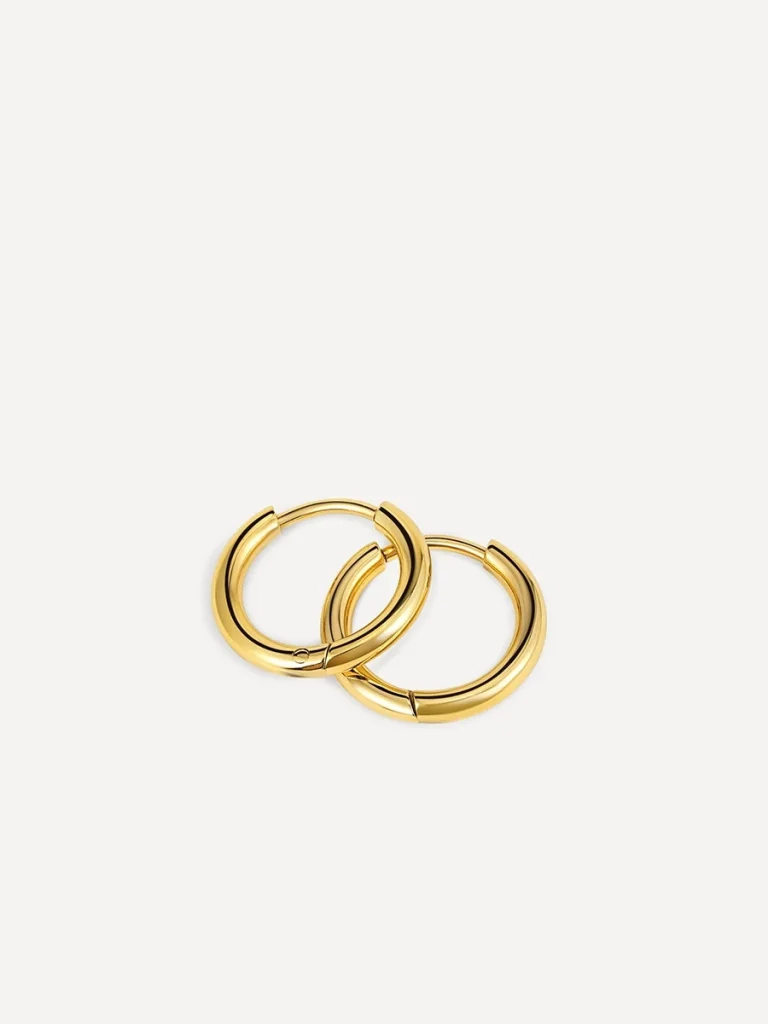
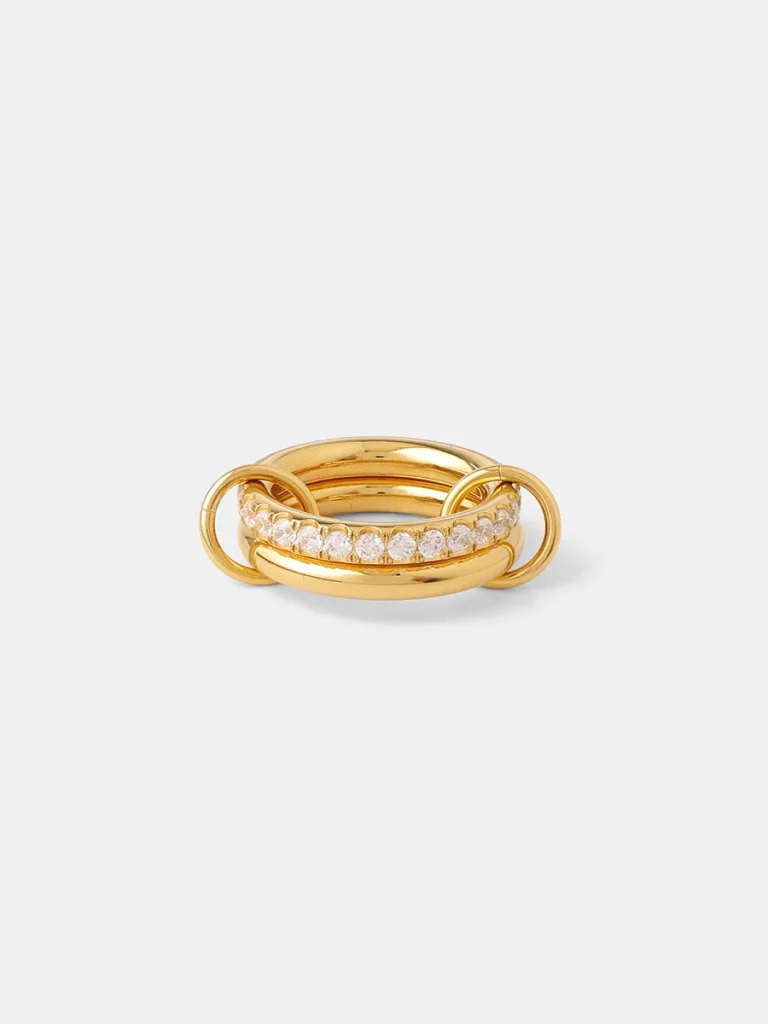
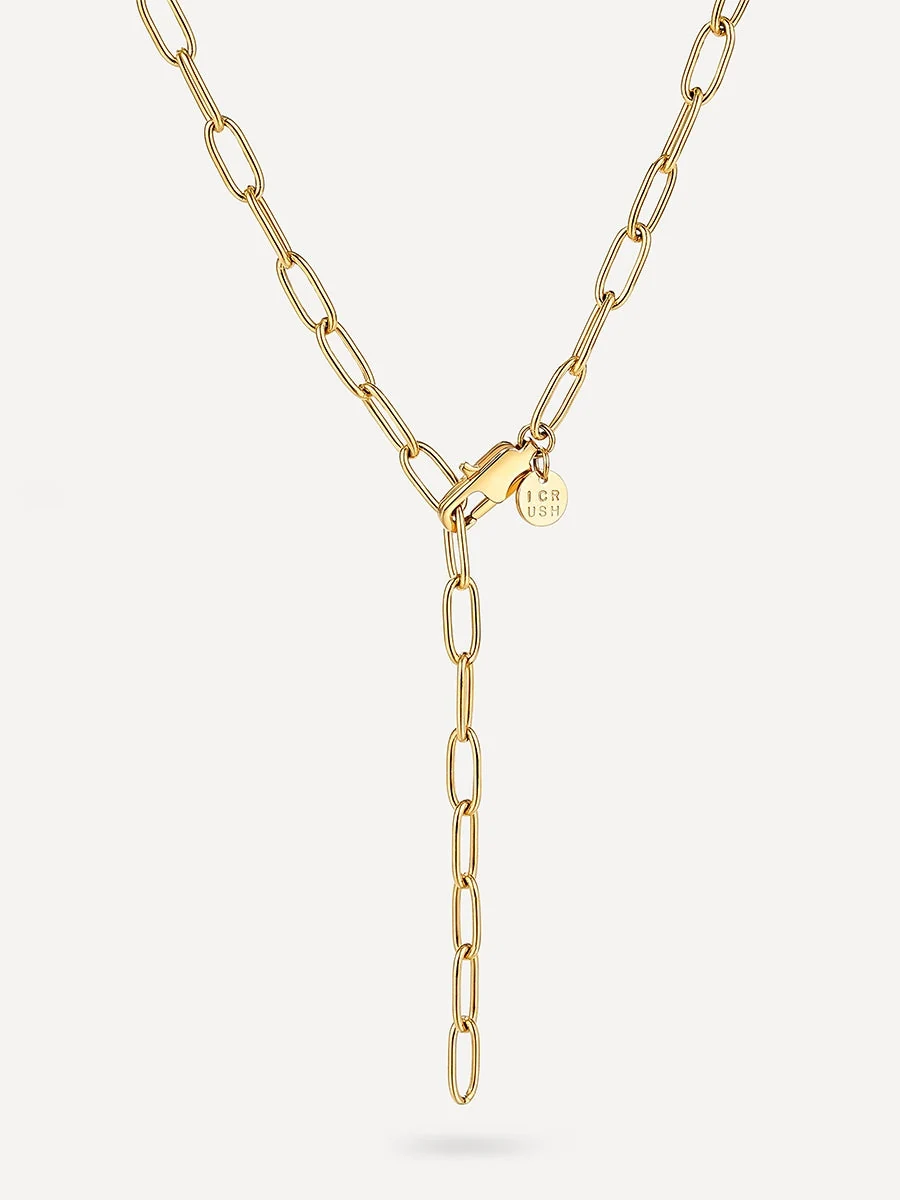
A jewelry photograph tells you about color, shape and surface; it cannot identify the metal inside. Begin with the base material, then look for the coating and any decorative additions. ICRUSH’s materials guide says the majority of its jewelry uses stainless steel with 18-karat gold plating. That is a statement about the wider range. It should not replace the current material specification for the particular necklace, ring or earring you are considering.
What the gold reference describes
In a description of gold-plated steel, the gold belongs to a surface coating and steel remains the underlying material. A reference to 18-karat plating therefore does not make the whole piece solid 18-karat gold. Gold tone, meanwhile, describes an appearance without establishing a coating’s composition. Keeping those terms distinct gives you a more useful comparison than judging value from color alone, especially when similar silhouettes appear in several material categories.
Keep process claims precise
The official materials guide describes ion plating for its plated stainless steel. We retain that wording rather than substituting an unverified manufacturing label or estimating the coating’s thickness. The guide also discusses titanium for some piercing products, while its care page mentions 316 L stainless steel in a cleaning section. Neither detail establishes the exact alloy or construction of every item in the collection; model-level information still needs to come from that item’s listing.
Separate durability from a guarantee
ICRUSH presents stainless steel as resistant to tarnishing and regular water contact, including plated versions. Its care advice also encourages gentle treatment, avoiding cosmetics and removing jewelry for sport. Read those statements together when building a routine. A durable material can still collect residue, meet abrasive surfaces or include more delicate details. We do not treat the brand’s broad marketing language as a promise of permanent plating or identical performance under every condition.
Choose with your own sensitivities in mind
The brand describes its materials as allergy friendly, but a range-level description cannot predict every individual response. If you know you react to a particular metal or coating, check the exact piece and ask for clarification where its specification is incomplete. Consider the components that touch skin, including posts, clasps and backs. Stop wearing jewelry that causes discomfort rather than assuming a familiar material name makes the reaction impossible.
Match care to the whole piece
For plated jewelry, the official care guide favors lukewarm water, mild soap and a soft cloth, followed by careful drying. Use the instructions for the complete piece, especially when pearls or attached stones are present. Keep harsh cleaners and abrasive polishing away from a finish unless the maker specifically recommends them. A useful purchase note records the product name, base material and coating together, so future cleaning decisions do not depend on remembering a photograph.
Sources & further reading
- iCRUSH official source — Gold tone, gold plating and what lies beneath (1)
- iCRUSH official source — Gold tone, gold plating and what lies beneath (2)
- iCRUSH official source — Gold tone, gold plating and what lies beneath (3)
Product details can change. Refer to the linked official sources for current dimensions, materials, availability and care guidance. Styling suggestions are editorial opinions.